

SCHOOLS
Engines of Possibility
“An investment in knowledge pays the best interest,” Benjamin Franklin once said. Edward Everett proclaimed that “Education is a better safeguard of liberty than a standing army.” If knowledge is the best investment, and education the true safeguard of freedom, then the spaces we dedicate to learning are among the most important commitments a society can make.
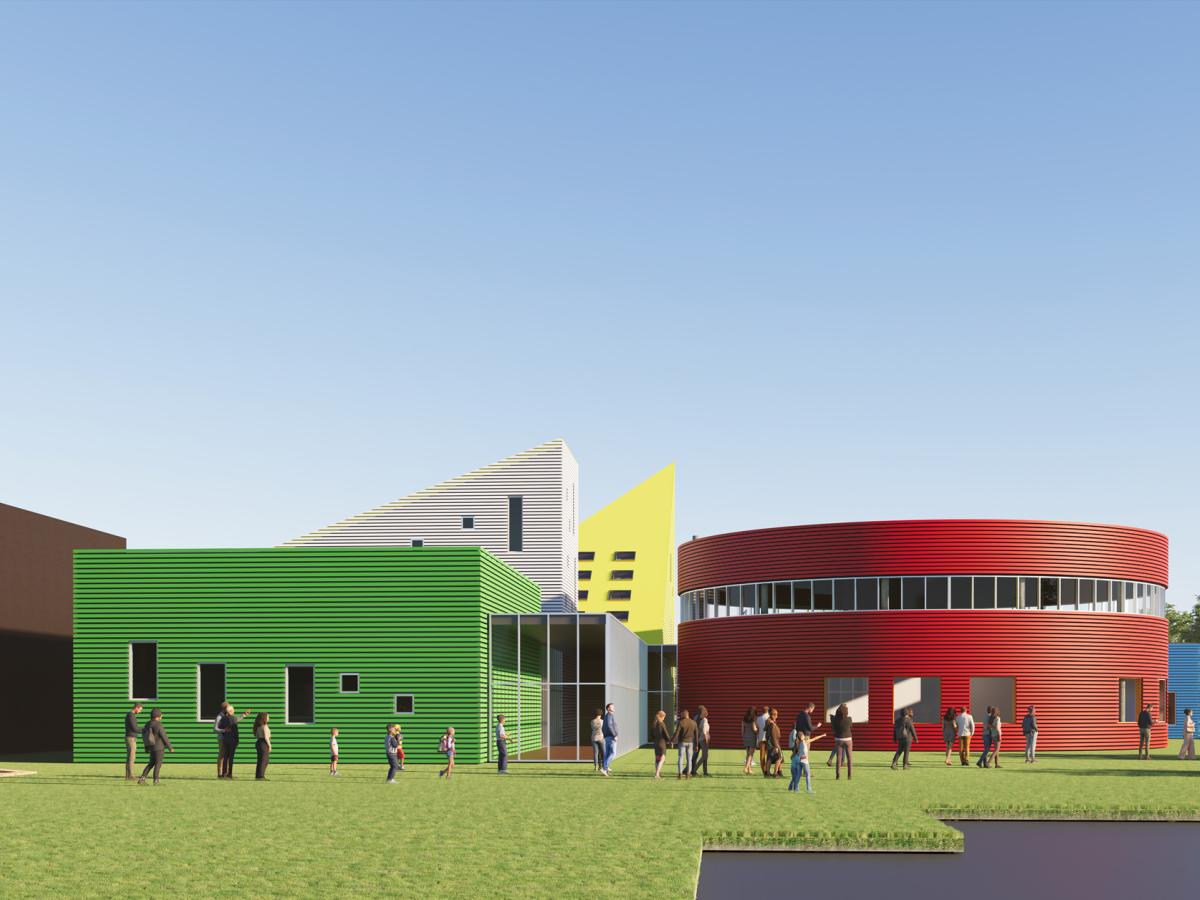
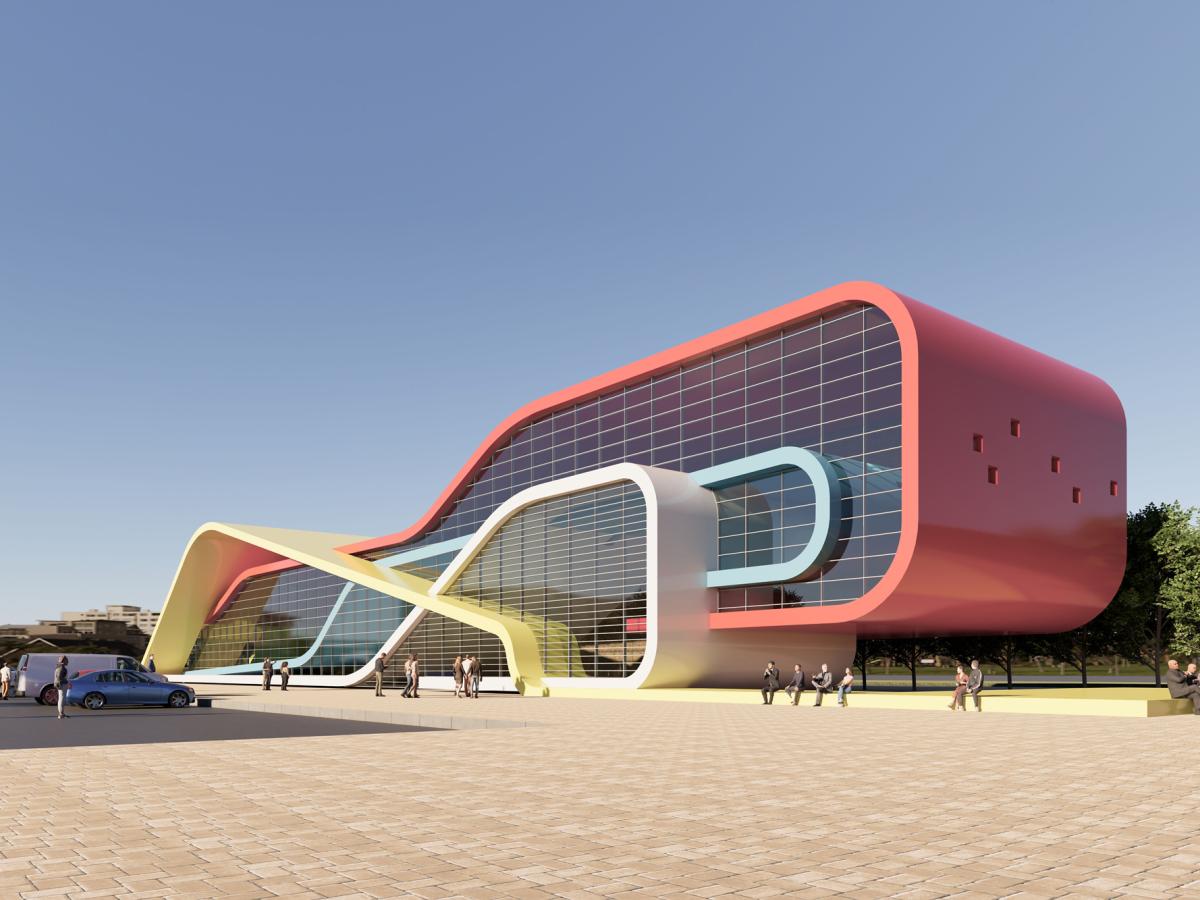
Schools are not mere buildings. They are crucibles of knowledge, laboratories of creativity, and engines of community life. They are where neighbours gather—in libraries, gymnasiums, classrooms, and playgrounds—to exchange ideas, celebrate student learning, debate politics, and mark the passing seasons of civic life. The best schools are filled not only with light and colour, but with purpose. They are places that teach through their very structure, showing children that the built world can be flexible, sustainable, and inspiring.
Around the world, societies are taking this truth seriously. In China, schools are conceived as flexible and creative spaces that fit the modern urban environment, preparing students for a life of innovation. In the Netherlands, old schools are given new vitality, as in MVRDV’s renovation of the Sint-Michielsgestel Gymnasium, where murals weave together the stories of generations and make the building itself a living textbook of community history. In Denmark, Henning Larsen’s Feldballe School is a lesson in environmental stewardship, built of wood, straw, and solar technology, capturing more carbon than it emits and teaching students that sustainability is not an abstract idea but a daily practice. In Brooklyn, New York, an edible garden transforms a school into a place of nourishment and wonder, where raised beds, chicken coops, and an outdoor kitchen make the building itself a classroom.
From China’s creativity, to the Netherlands’ renewal, to Denmark’s stewardship, to New York’s nourishment—each example demonstrates what is possible when a society decides that its schools should be more than containers for students. They become beacons, shaping generations by the values they embody.
And yet, in some constituencies in Canada, we too often remain stuck in an outdated mindset: make it cheap, make it fast. We count the corners of buildings, we reject new materials, we chase the lowest bid instead of the highest vision. We save pennies while wasting futures. In place of inspiration, we build banality. In place of crucibles of knowledge, we create boxes that resemble prisons more than places of discovery.
This cannot continue. If we truly believe that knowledge is the best investment, then our schools must be treated as the most vital infrastructure of our time. It is time to reimagine—not just to build. We must explore new financing, embrace adaptive reuse, and design for sustainability and community. Above all, we must change our thinking. For until we do, we will continue to incarcerate our children’s potential behind walls of mediocrity, when what they deserve are windows onto possibility.